Traveling to Uruguay by car has become an increasingly popular choice for Argentine tourists seeking weekend getaways or longer vacations. Planning your trip in advance can save time, money, and help you avoid hassles at the border. As detailed by Uruguay's Ministry of Tourism to the Argentine news agency Noticias Argentinas, here are the requirements for visiting the neighboring country by car.
Personal and Vehicle Documentation The most common method for Argentine tourists to cross into Uruguay by car is via the Gualeguaychú-Fray Bentos bridge. By following these steps, your road trip to Uruguay can be more agile, safe, and economical, allowing you to enjoy the destination without surprises on the road.
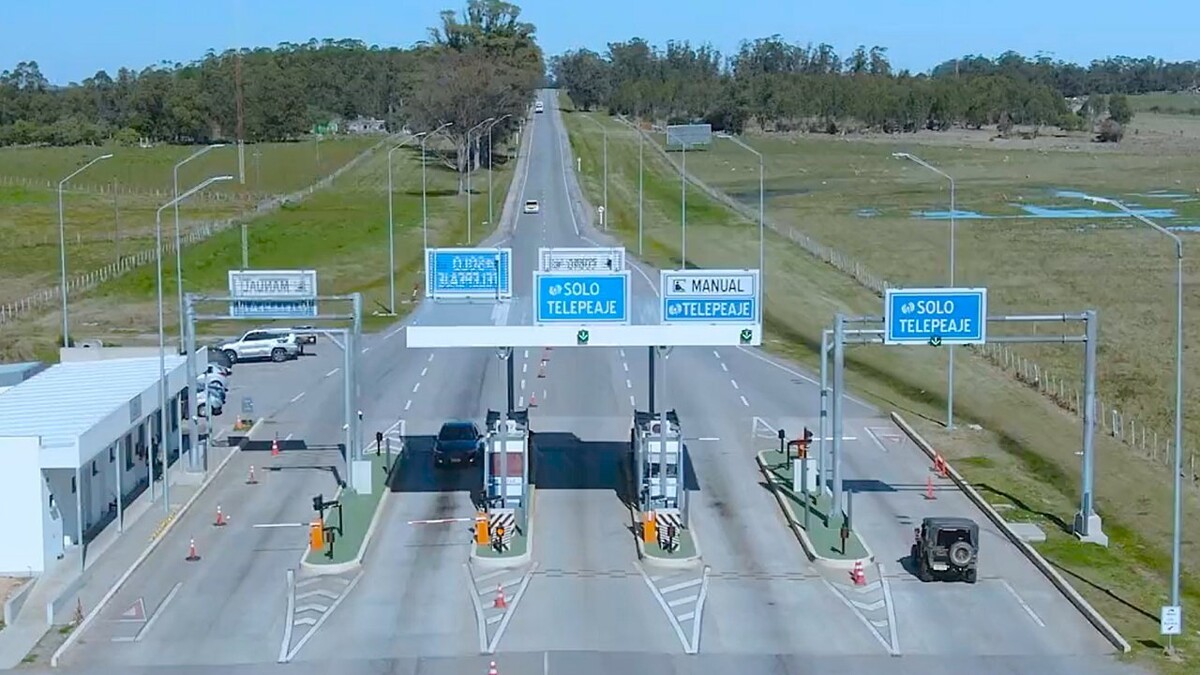
In Uruguay, tolls on main routes operate through the SUCIVE electronic toll system, and cash is no longer accepted. For cars and pickups (Category 1), the toll is 156 UYU with SUCIVE, and 183 UYU without it. For larger vehicles (buses and trucks), rates are set according to the official MTOP category. For example, to travel east (Mercedes-Santa Lucía-Interbalnearia), there are three toll booths, each costing about 145.78 UYU with SUCIVE, adding up to approximately 440 UYU to get to Punta del Este. Platforms like TollGuru Uruguay allow you to estimate tolls and fuel costs before you set off.
Fuel: Costs and Tips Fuel in Uruguay is more expensive than in Argentina, so it's wise to fill up your tank before crossing the border. It's recommended to refuel in major cities before entering Uruguay, such as Gualeguaychú or Paysandú, to avoid relying solely on gas stations along the way.
To Cross the Border: Adults over 18: Valid and legible Argentine ID card (DNI) or passport. Minors: Updated DNI; if traveling alone or with only one parent, legal authorization from the other parent, certified by a notary, is required. Regarding the vehicle: Owner: Green card (Cédula verde). If driving someone else's car: Blue card (Cédula Azul) or equivalent authorization (notarized or via "Mi Argentina" app). Insurance: Mandatory "Mercosur" insurance valid in Uruguay. Safety: Windshields must be engraved with the vehicle's license plate. Recommendation: Although not mandatory, it's advisable to have the vehicle's technical inspection (VTV) up to date.
When leaving Argentina, it is mandatory to declare electronic devices such as cell phones, tablets, or cameras to avoid issues upon returning to the country.
In terms of competitiveness, a range of tax benefits for non-resident tourists in effect for 2025 were highlighted: 0% VAT on hotels year-round, a 9-point VAT refund on gastronomy, catering, car rentals, event services, and rental of tourist properties until April 30, 2026, as well as a Tax Free regime in participating stores.
The most frequently used crossings to travel from Argentina to Uruguay by car are the General San Martín (Gualeguaychú-Fray Bentos) and Artigas (Paysandú-Colón) bridges. This helps expedite the crossing and avoid delays at toll booths.
Current tariffs are: Cars and pickups: 10,000 AR$ or 400-450 UYU (~8 USD). Motorcycles: 2,600 AR$ or 100 UYU. Trucks, buses, and motorhomes: 42,500 AR$ or 1,650 UYU. Buses with more than 4 axles: 70,000 AR$ or 2,500 UYU. Heavy cargo (4 axles or more): 113,000 AR$ or 4,000 UYU. Benefit for local residents: those living within 50 km of the bridge pay reduced rates: for cars, 4,000 AR$ or 150-200 UYU.
Before you leave, it is advisable to register with Telepeaje UY or SUCIVE. These measures, along with new infrastructure and connectivity developments, bolster the attraction of visitors from Argentina, Brazil, and other source markets.
In 2024, Argentina was again the main source market, with 1,705,090 visitors, total spending of USD 923.2 million, and an average stay of 6 nights. These figures the ministry seeks to deepen with the actions agreed upon at this fair.