In Uruguay, the voting circuits have closed in the elections that will determine the successor of President Luis Lacalle Pou and renew the Parliament. More than 2.7 million Uruguayan voters were summoned to these elections. According to information from the Electoral Court, 88.1% of registered voters had voted by the close of the polls.
A total of 7,225 polling places were set up, which closed at 7:30 PM local time. If there were voters in the locations, the polling places could remain open for an additional hour. The elections presented a close contest between the continuity offered by the Government through the National Party and its allies versus the change proposed by the left represented by the Broad Front.
If none of the candidates obtains more than 50% of the votes, the next president will be determined in a runoff on November 24. The electoral ban will be lifted at 8:30 PM local time, and projections from private pollsters are expected to be available shortly thereafter, while the Electoral Court will disclose the first official data starting at 9:00 PM.
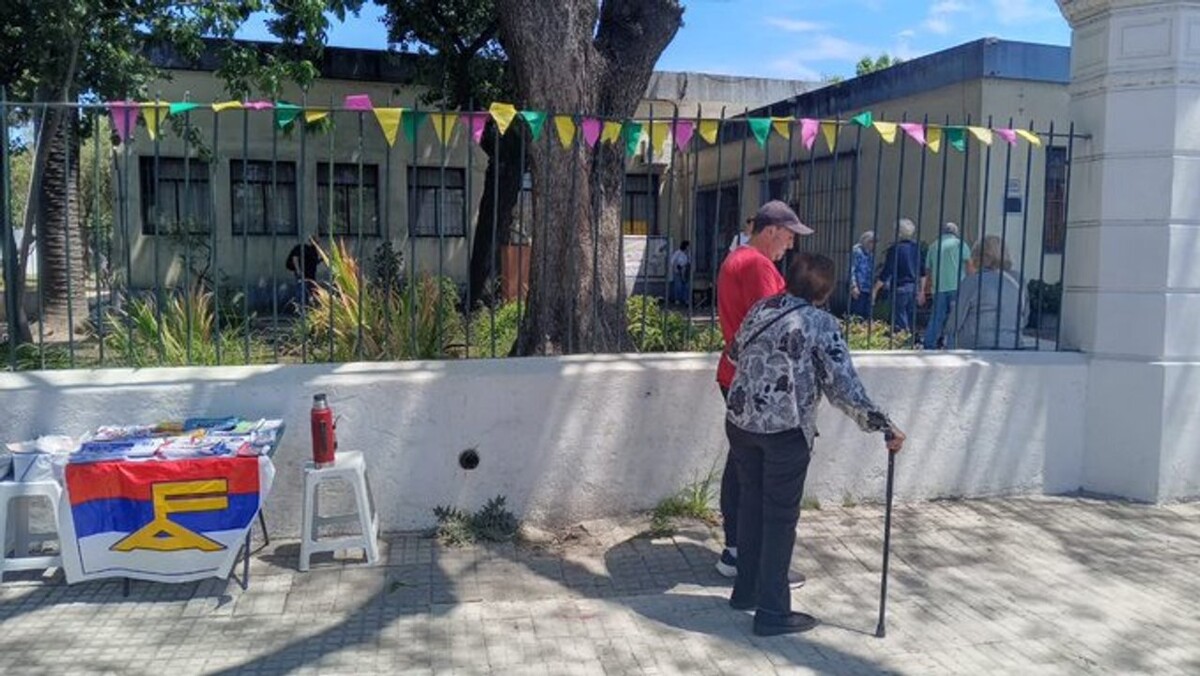
The electoral day in Uruguay took place on a sunny day with pleasant temperatures. President Lacalle Pou, after voting in Canelones, mentioned that "today the Government starts to change in some way." On the other hand, the opposition candidate, Yamandú Orsi, highlighted the importance of political parties having minimum agreements on issues such as child poverty, education, and security.
In addition to the National Party and the Broad Front, other parties such as the Colorado Party, Cabildo Abierto, and the Independent Party are participating in the contest. There are a total of 11 candidates for the presidency, although currently only six parties have parliamentary representation. These elections also include a constitutional reform initiative on Social Security, which proposes significant changes and has generated debate among the candidates.